



When a child feels anxious, reassurance can feel like the right move. And while comforting words may ease fear in the moment, they don’t always lead to long-term confidence or growth. Sometimes, what a child really needs is support with turning worry into decisive action.
The real challenge is guiding your child from spiraling thoughts to structured problem-solving. These conversations aren't just about reducing anxiety, but about helping them gradually build the skills to face what’s challenging with confidence and courage.
key takeaways
Creating a Safe Space: Before jumping into problem-solving, it's important for parents to create a secure environment where children feel comfortable expressing their thoughts and feelings without pressure.
Encouraging Independence: Parents should support their children in taking responsibility for their problems, helping them build confidence and problem-solving skills by working together as a team.
Structured Problem-Solving: Writing down the problem and brainstorming potential solutions can help children face their anxieties constructively. Evaluating and implementing these solutions as experiments can foster a sense of curiosity and resilience.
Part 1: Supporting Your Child's Confidence
Children often need help with problem solving when anxiety takes over, but this shouldn’t be the first step!
Children need to know it’s safe to talk about their thoughts and feelings without pressure to fix them.
✦ Don't Miss! If you haven’t read it yet, start with How Do I Respond to My Anxious Child? 5 Steps for Better Outcomes, which outlines foundational strategies for supporting anxious kids.
These are the strategies that build trust. As a parent, your role is to create a secure space where they feel seen, heard, and supported no matter what they’re facing.
Once that foundation is in place, you can work together to say, “Let’s see what you can do about this.”
► Not we — you.
This reinforces your child’s capacity to take the lead. You’re there as a supportive presence, helping them build confidence in their ability to respond and not solving the problem for them.
Of course, step in when appropriate, but be mindful not to take over responsibilities that your child is ready (or nearly ready) to face.
Part 2: Start by Writing it Down
A helpful first step is to write it all out. Sit down with your child and get the problem down on paper. You can do the writing while they talk, or they can jot things down if they’re old enough and want to be more involved.
Begin by clarifying the situation:
What’s the problem?
Who’s involved?
Where and when is it happening?
Putting it into words makes it more concrete and focused, which helps frame the problem as something more manageable to look at together.
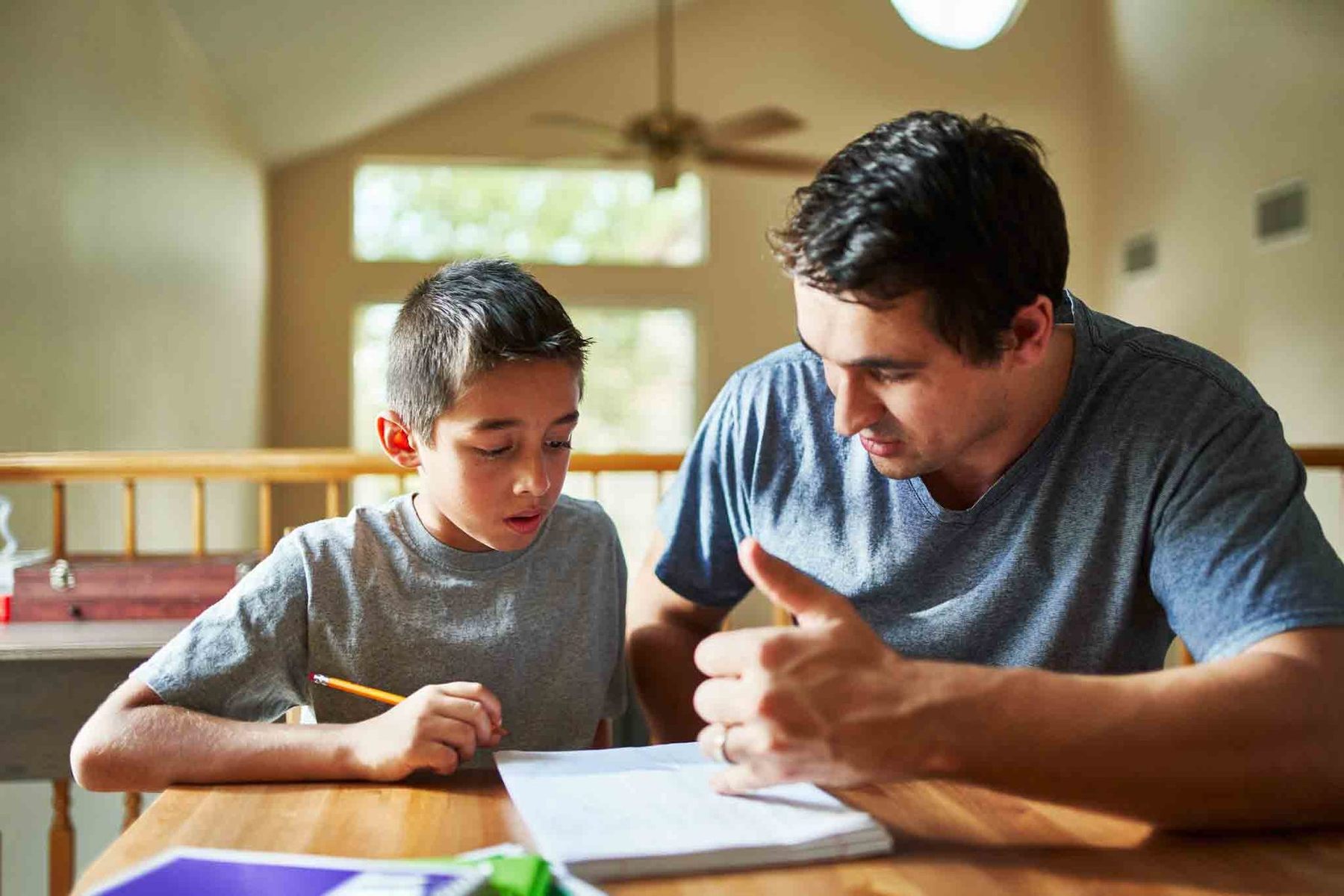
Next, help your child brainstorm all the possible things they could do in response.
It’s important not to think of this as just preparation before the “real” work of facing the anxiety — this is the real work. Simply by participating in a creative process and thinking through the challenge, your child is already facing it in a new, constructive way.
During this step, avoid evaluating or judging the ideas. Anything can go on the list! In fact, a little silliness or humor can be a great way to ease some of the stress, as long as it still feels respectful of what your child is going through. Pay attention to how they’re responding to keep it feeling supportive and collaborative.
Part 3: Evaluating Your Options
Once you’ve written down a few solid ideas — aim for at least four — you can begin evaluating each one.
The question here is: “What would happen if I tried this?”
This encourages thoughtful consideration of both the future and any past experiences that might offer useful insight.

Help your child make these options more concrete by rating them.
You could use a smiley face scale — from a big smile for “Excellent” to a frown for “Not so great” — or use a 1 to 10 scale, where 10 is a fantastic idea and 1 is one they probably wouldn’t want to try.
If several options get similar ratings, explore how easy each one would be to put into action. You can even add a second rating next to each idea for how easy each would be to implement. If two ideas seem equally good, go with the one that feels easier to try in order to boost their confidence and build momentum.
Part 4: Putting the Solution Into Action
Once an idea is chosen, help your child create a clear plan for putting it into action. When and where will they do it? Will they need any support to carry it out?
The goal isn’t to eliminate anxiety, but to gather information about what happens.
The message is:
“It’s hard to know for certain what will happen, but let’s be brave. Let’s experiment. Let’s see what happens.”
Set a specific time to reflect on the outcome together.
Encourage questions like:
“Did I follow through all the steps? If not, what got in the way?”
“Did it solve the problem? If not, what other solutions could I try next?”
Whatever the outcome, treat it as useful data, not a pass or fail! This helps your child stay open, curious, and willing to engage in further experiments rather than avoid. Over time, this mindset is what builds confidence in the face of anxiety.