

Not all anxiety starts in the mind. Sometimes it starts in your morning coffee. That restless, jittery feeling? The racing heart? The sudden flood of thoughts? It might not be “true” anxiety at all — at least not at first. It might be your body reacting to a substance, like caffeine.
This is drug-induced anxiety. Stimulants like caffeine are the most common culprits, but even depressants — like alcohol — can fuel anxiety, especially during withdrawal or comedown. Once those physical sensations kick in, your mind starts searching for a reason. Why do I feel this way? Is something wrong? And just like that, anxiety emerges trying to make sense of what's happening.
Understanding how common substances affect anxiety levels is important. Because if anxiety is being driven by what you consume, the way you respond needs to change, too.
KEY TAKEAWAYS
Stimulants Affect the Nervous System: Stimulants, including caffeine, prescribed medications, and illegal drugs, stimulate the nervous system by blocking chemicals that promote relaxation, leading to increased heart rate and alertness.
Alcohol’s Rebound Effect: While alcohol initially promotes relaxation by boosting GABA, heavy or frequent drinking depletes these calming chemicals, potentially causing increased tension and panic once the alcohol wears off.
Gradual Changes and Professional Support: Cutting back substances slowly (under medical supervision if needed) can help stabilize the body’s chemical balance and reduce anxiety. For more severe issues or substance misuse, seeking professional help is recommended.
NERVOUS SYSTEM CHANGES
The Effect of Stimulants on the Body
Stimulants, true to their name, rev up the nervous system.
Some are familiar:
Caffeine
Ginseng
Others are prescribed:
Amphetamines used to treat ADHD or narcolepsy
Then there are "recreational" and illegal stimulants:
Nicotine
Methamphetamine
Cocaine
Where to Sit?
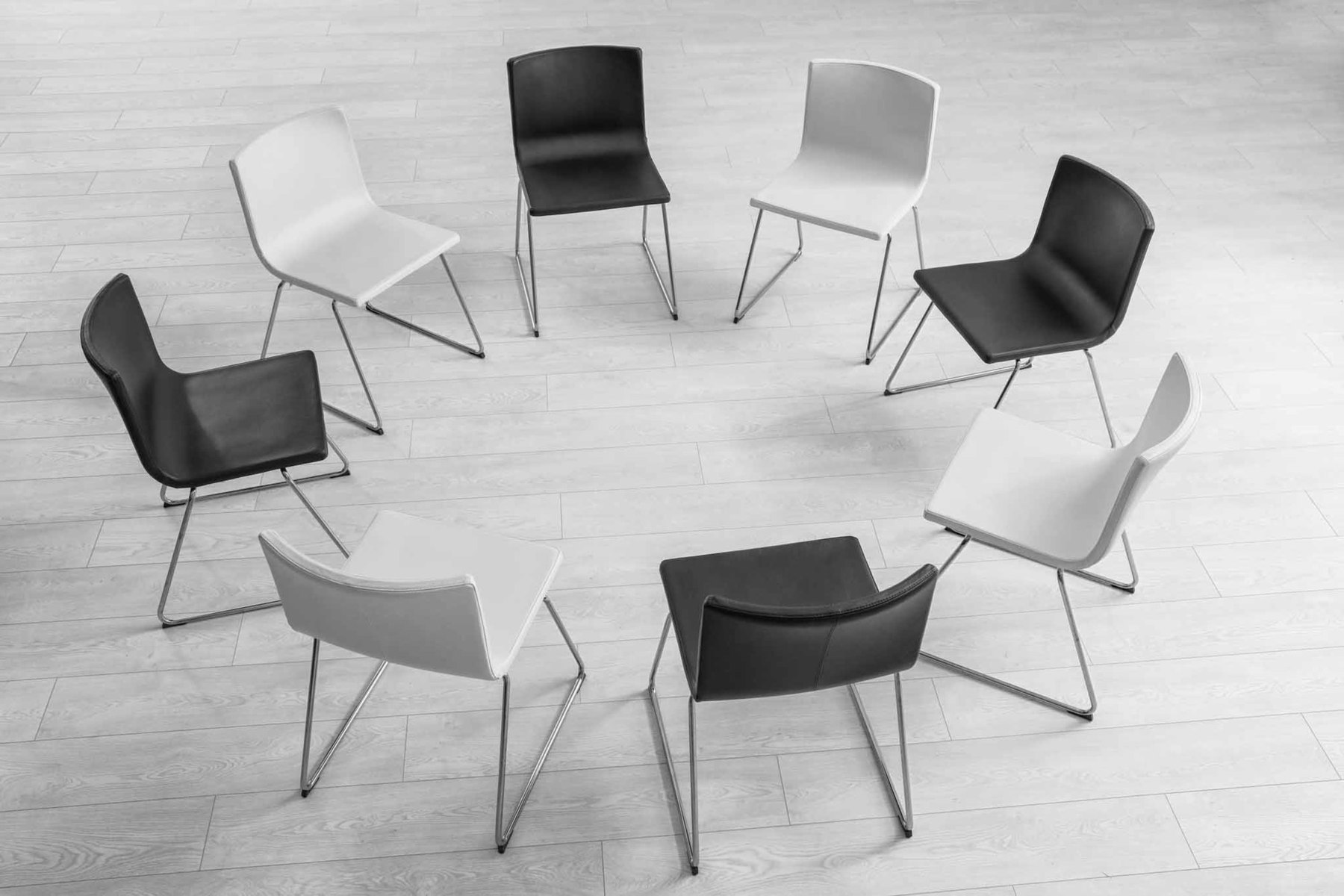
What stimulants do is they enter your body and play a big game of musical chairs with other chemicals that are responsible for opposite effects, like lowering your heart rate and promoting sleep. They bully their way into taking up all the chairs and leave the other chemicals with nowhere to sit. If they have nowhere to sit, they have no way of helping your nervous system come back to a natural balance.
If you’re chemically over-stimulated, no relaxation exercise will fully take the edge off.
This is because the drug is just taking up so many of the chairs and blocking the relaxation chemicals.
In these moments, you just need to ride it out and wait for your body to filter out whatever remains — without doing anything that’s going to make the anxiety worse.
That means:
Don’t consume more of the stimulant when you start to feel the crash
Avoid situations that are going to put more stress on the body
Consider some other light activity to give your body something to do with the jitters it has rather than forcing it to be still
By understanding how these substances impact your nervous system, you can respond with more clarity and avoid mistaking chemical stimulation for emotional distress.
CAFFEINE
The Most Widely Consumed Stimulant
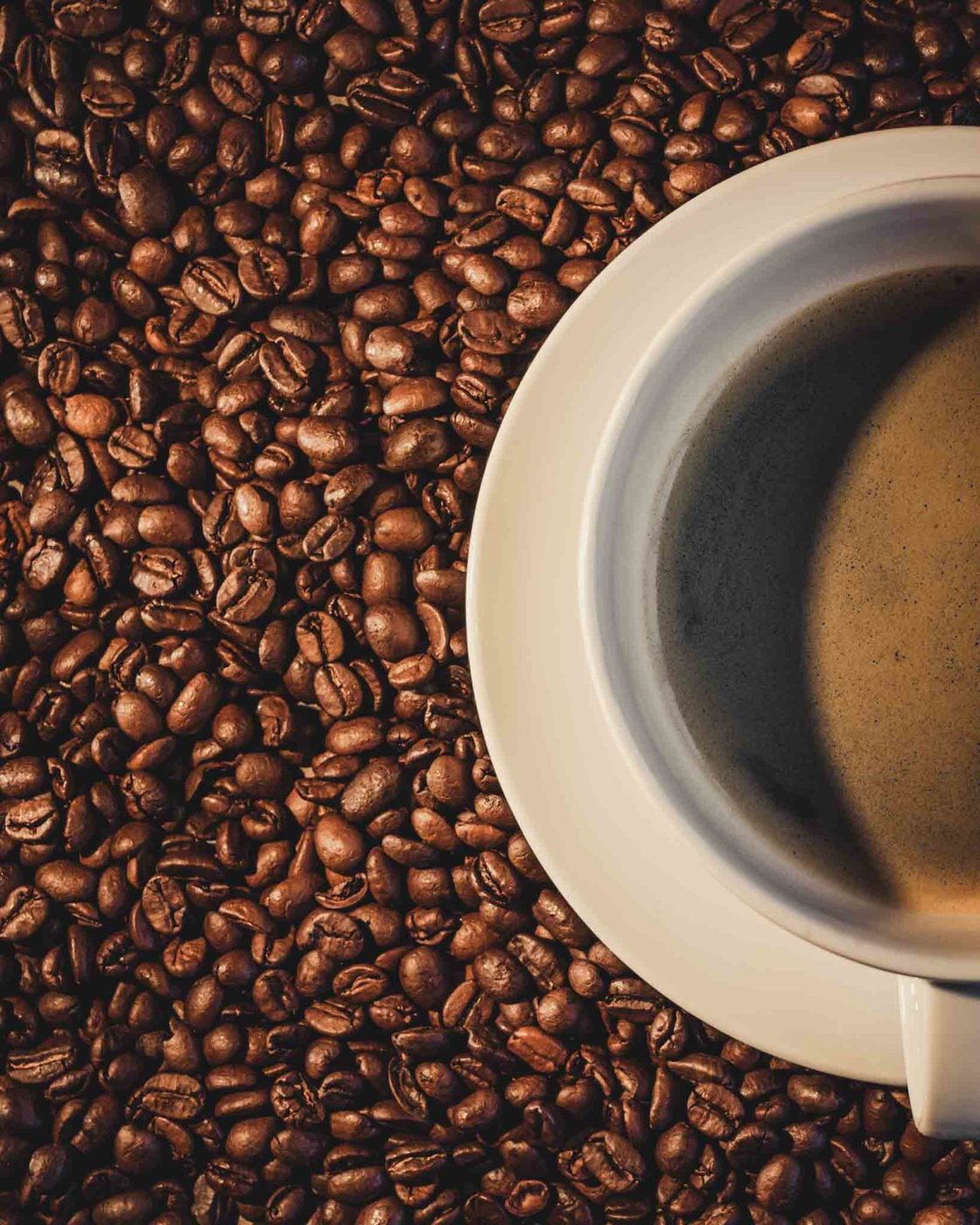
Let’s take a look at the most widely consumed stimulant in the world: Caffeine.
It’s found in coffee, tea, energy drinks, and even chocolate. And while it can sharpen your focus and boost alertness, it can also stress your nervous system.
It can take the body about 10 hours to completely clear one dose of caffeine.
If you’re consuming multiple servings a day, caffeine can easily build up in your system faster than it can be cleared. Then you wonder why you can’t sleep and feel more irritable. Because the effects aren’t always immediate, it’s easy to miss the connection between what you drank earlier and how you feel now.
Before adding medication, consider if your anxiety is already chemically driven.
Fortunately, there are simple ways to reduce the impact without cutting caffeine completely:
Try half-caff or decaf instead of regular coffee
Drink one fewer cups during the day
Avoid caffeine late in the afternoon or evening
Brew tea for less time to reduce caffeine content
Choose herbal teas that are naturally caffeine-free
Small changes can make a noticeable difference. By understanding how caffeine interacts with your nervous system, you can make more informed choices about what you consume.
BENEFITS AND RISKS
Prescribed Stimulants
If you’ve been prescribed a stimulant, it’s because your doctor determined the benefits outweigh the potential side effects. But if you’re noticing increased anxiety, irritability, or restlessness, it’s important to talk with your prescriber. Together, you can find the best way to address your needs.
✦ Support: If you’re struggling with substance misuse or feel like stimulants are getting in the way of your well-being, help is available.
FindTreatment.gov
SAMHSA National Helpline
1-800-662-4357
(Free. Confidential. 24/7.)
SLOWING DOWN THE NERVOUS SYSTEM
The Effects of Depressants on the Body
Now that we’ve covered stimulants, what about depressants?
Take alcohol, for example. It’s common to think, “Alcohol helps me relax. It takes the edge off and helps me enjoy myself. How could it make me anxious?” And you’re right — it can feel relaxing at first. That’s because alcohol increases a calming chemical in your brain called GABA, which slows down your nervous system and helps you feel more at ease.
But that’s only part of the story.
When drinking becomes more frequent or heavy, your brain can start to rely on alcohol to trigger that calming effect.
Over time, it may deplete your natural GABA levels. And when the alcohol wears off, you’re left with a nervous system that’s out of balance — one that can feel tense, irritable, or even panicky.
The rebound effect from alcohol can feel like anxiety.
For reference:
Heavy drinking = 8+ drinks/week for women, 15+ drinks/week for men
Binge drinking = 4+ drinks in one sitting for women, 5+ drinks for men (typically within 2–3 hours)
So while alcohol might seem helpful in the moment, it’s worth knowing how it can contribute to anxiety in the long run — especially if you’re already dealing with stress.
THE EFFECTS OF CERTAIN INGREDIENTS
A Note on Herbal Teas
Herbal teas can have a relaxing effect on the body, resulting in reduced anxiety, restfulness, and even sedation. However, if you have allergies to grasses, weeds, or flowering plants, you may want to avoid teas with these ingredients.
Chamomile, for example, may be well-known for relaxation, but for allergy sufferers can cause inflammation and other uncomfortable symptoms.
And while cutting back on stimulants can be helpful, be careful not to swing too far in the other direction.
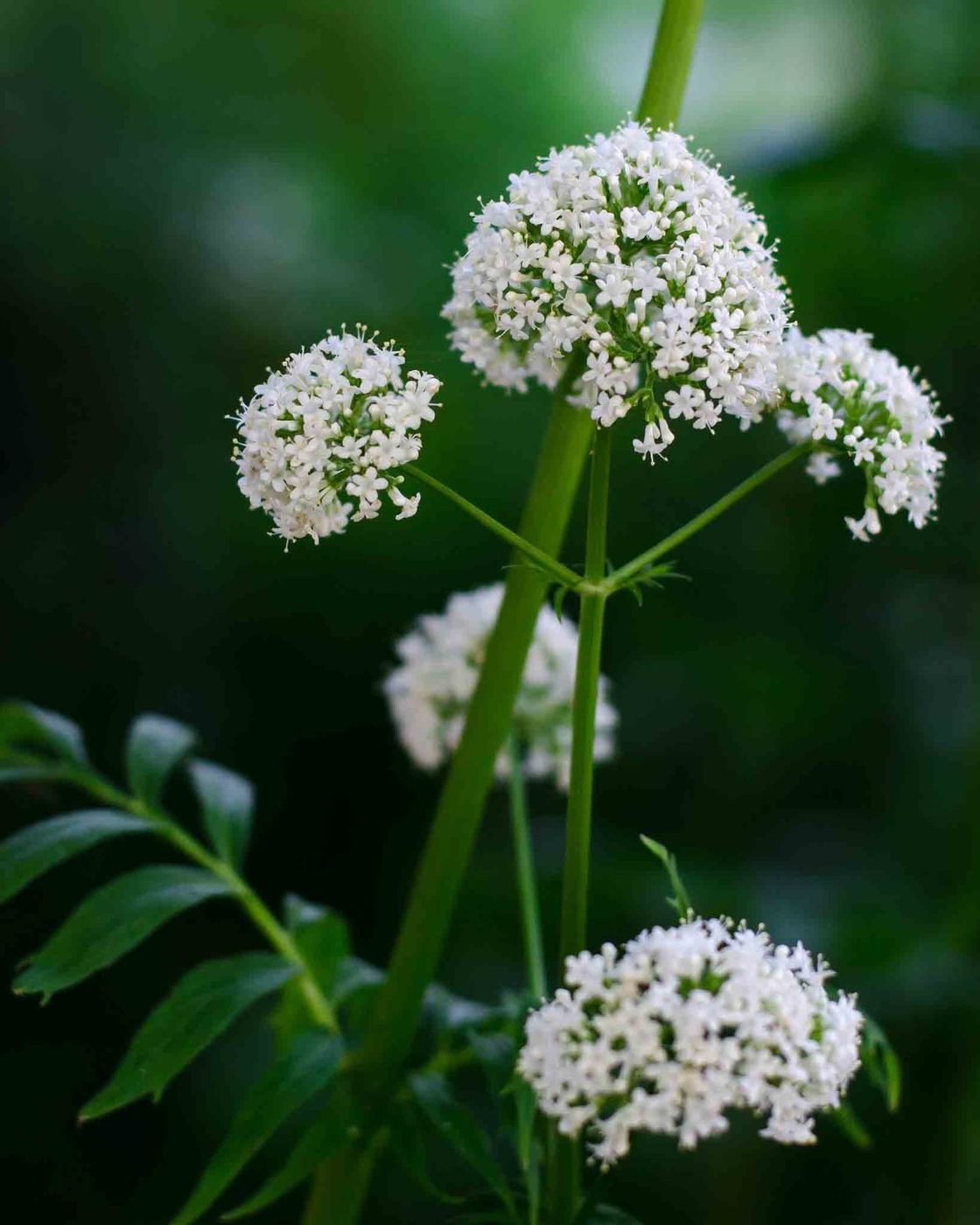
Some herbal teas, like those containing valerian root, can be overly sedating, especially if you’re trying to stay alert during the day.
As with any change to your routine, gradual adjustments are best. Tapering down your caffeine intake slowly can help you avoid withdrawal symptoms and make the transition smoother on your body.
HOW THC AND CBD AFFECT THE BODY
Marijuana & Anxiety
Marijuana can also contribute to anxiety. As a psychoactive drug, it exhibits both stimulant and depressant effects based on different chemical properties.
CBD, or cannabidiol, is a compound found in the cannabis plant that doesn't produce a "high" or psychoactive effect. While CBD appears to reduce anxiety across tested doses, some sensitive individuals can experience a paradoxical increase in anxiety, especially at higher doses.
THC, or tetrahydrocannabinol, is the main psychoactive compound in cannabis that can increase anxiety. Especially at higher doses, THC can raise your heart rate, cause paranoia, and even trigger panic attacks. Since THC is more potent and easier to over-consume, it’s something to watch if you’re already feeling on edge.

SUSTAINABLE CHANGE
Start Cutting Back Gradually
If you’re trying to prevent alcohol from triggering or worsening anxiety, there are a few initial steps you can follow:
Step 1: Pay Attention to Your Patterns
Start by noticing how much you’re drinking, when you tend to drink, and what triggers the urge. Patterns can be easier to spot than you’d think — and once you see them, it’s easier to make changes.
Step 2: Cut Back Gradually
Sudden, large changes in alcohol use can be dangerous to your health (and even life-threatening) so it’s important to take these steps under the care of a medical professional if your use has been heavy or long-term.
Step 3: Give Your Body Time to Reset
Once you’ve reduced your drinking (or stopped altogether) give your body time to reset. Most people begin to notice improvements in anxiety within a few weeks, as the brain’s natural balance starts to return.
✦ Reach Out: If any of this speaks to you and you’ve been struggling to cut back or quit, you don’t have to do it alone. Whether it’s talking to your doctor or reaching out for outside help, support is available.
FindTreatment.gov
SAMHSA National Helpline
1-800-662-4357
(Free. Confidential. 24/7.)
Topics

Jason Peruchini, LMFT
Jason Peruchini is a licensed psychotherapist and anxiety treatment professional who helps people address issues in mental health to live better lives.