


We’re all familiar with the idea of “body language” — those outward signals expressed through posture, facial expressions, and physical movement. But these behaviors are shaped by internal processes that often operate outside of conscious awareness.
So how does body language influence anxiety? And how can small physical changes lead to meaningful changes in how we feel?
key takeaways
Awareness of the Body: Devices that provide biofeedback can help us understand our body's signals, but it's crucial to also train our attention to recognize these signals naturally for better mental health.
Small Changes Matter: Simple adjustments like improving posture, relaxing facial muscles, and smiling more can generate positive biofeedback, reducing anxiety and promoting overall well-being.
Breathing and Muscle Relaxation: Proper breathing techniques and muscle relaxation can significantly lower stress levels and help manage anxiety effectively.

TUNING IN TO NONVERBAL SIGNALS
Becoming Aware of Body Language
In recent years (especially the past decade) there’s been a surge in devices that measure heart rate, breathing, posture, and stress levels. While these tools can be helpful, they also reveal something else: many people have become so disconnected from their bodies that they need technology to interpret what their own nervous systems are already trying to communicate.
Biofeedback devices can be useful in the right context, but it shouldn’t replace the natural awareness your brain is capable of. Whether you’re tuned into it or not, your brain is constantly monitoring your internal state. In some cases, we become overly fixated on these sensations. But more often, we tune them out.
The good news is that by gently training your attention to notice these signals, you gain the ability to respond with small corrective actions that support your well-being.
✦ Don't Miss! To go deeper into how your body communicates emotional needs, see Your Body is Speaking - Are You Listening?.
Negative facial expressions, withdrawn posture, muscle tension, and shallow breathing aren’t just symptoms of anxiety — they also reinforce it. Once anxiety is activated, these physical responses can keep it going.
Small changes in posture, breath, and facial expressions are significant in countering anxiety.
Just like going to the gym or making social plans, these changes create positive biofeedback — subtle signals that help calm the nervous system, communicate greater confidence, and interrupt the anxiety cycle.
THE POWER OF INCREMENTAL CHANGE
Small Changes Make a Difference
It’s easy to dismiss subtle changes in body language as too small to matter — but they do. Even small adjustments can support a healthier mindset when managing anxiety.
► Start by adjusting your posture.
This can be surprisingly difficult when you’re anxious, but stand up or sit up straight with your shoulders back, not slouched. A German study found that participants who adopted a confident posture made more decisive choices than those who had a more doubtful posture. Indecisiveness, of course, is a common feature of anxiety.
If you want to be more decisive, take a more decisive posture.
► Next, relax your face.
Many people unconsciously clench their jaw, squint, or scowl in overstimulating environments. Let your jaw hang loose, gently wiggle it, or open your mouth wide. You might even yawn, which naturally activates the calming part of your nervous system.
Avoid scowling or tightening the muscles around your eyes, as this signals frustration to the brain. If it’s sunny outside, wear your sunglasses. Then make a conscious effort to smile more. These small changes send signals of safety and ease to your brain.
✧ Deep Dive: To understand how fear can take over your reactions before you’ve had time to think, see React First, Think Later: Understanding Your Brain's Instant Alarm System.
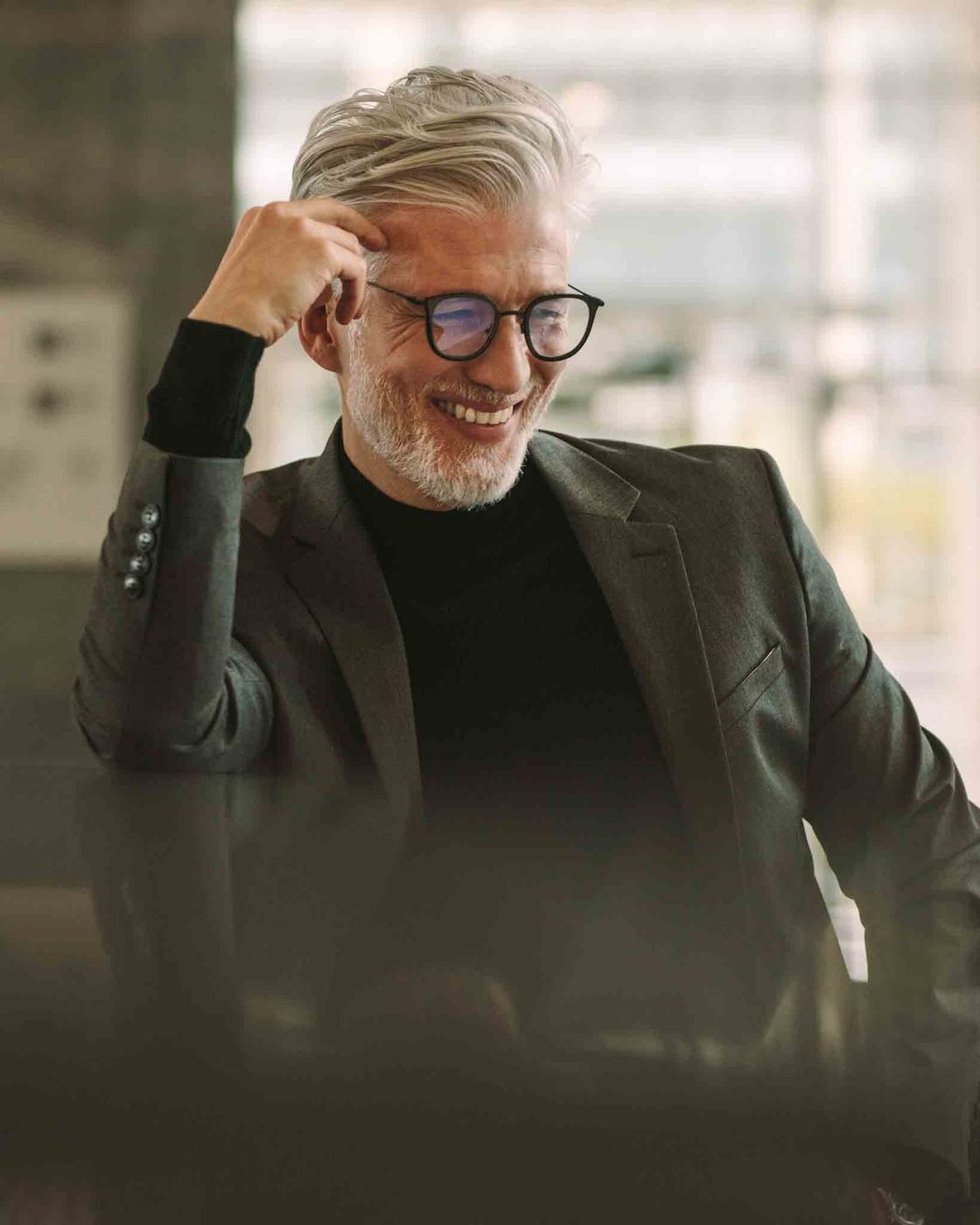
FACIAL EXPRESSIONS INFLUENCE YOUR EMOTIONS
The Power of Smiling More Often
Smiling, even when it doesn’t feel entirely natural, can shift how you perceive the world around you. A simple smile can make other people’s expressions seem more approachable, which in turn softens your emotional response and supports a calmer, more positive outlook. This is especially helpful when anxiety creates a tendency to focus on potential threats or negativity.
Facial feedback plays a powerful role in shaping how you feel.
The nerves in your face are directly connected to the emotional centers of your brain. That means something as small as relaxing your facial muscles and adopting a light half-smile can help interrupt anxious patterns and promote a greater sense of ease.
✶ Quick Look: To learn how past experiences and body signals work together in your brain’s response system, read The Slow Pathway of Fear: How Your Brain Uses Memory and Logic.
REGULATING BREATH TO CALM THE NERVOUS SYSTEM
Return to Normal Breathing - No Gasping!
Breathing patterns also play a major role in how your body responds to anxiety. Shallow, quick breaths can increase feelings of stress by keeping your nervous system on high alert.
► Focus on taking fuller (though not forced) breaths, allowing the exhale to last a second or two longer than the inhale.
This naturally helps lower your heart rate, as heart rate increases during inhalation and decreases during exhalation.
► Avoid gasping or forcefully pulling in more and more air.
That kind of breathing only drives your heart rate higher and intensifies the sense of panic.
It’s important to understand that smiling in this context isn’t about faking happiness or denying your anxiety.
It’s not a mask, but a deliberate way of working with your body to influence how you feel. You’re not pretending everything is fine; you’re engaging your facial expression in ways that help interrupt the physical tension and guarded posture that often reinforce anxiety. The anxiety may still be present, but you’re responding to it with more flexibility — creating conditions that support calm and confidence rather than keep the cycle going.

RELAXING THE BODY
Releasing Muscle Tension
Lastly, if you notice tension in your body, see if you can relax those muscle groups. One effective way to address this is through active or passive muscle relaxation.
Active relaxation involves deliberately tensing a specific muscle group — like your fists or shoulders — holding the tension for a few seconds, and then releasing it. This helps increase awareness of where you’re carrying tension and allows you to feel the contrast between tension and relaxation.
Passive relaxation, on the other hand, means simply letting go of tension you’ve already noticed. If your shoulders are raised, let them drop. If you’ve been holding in your stomach, allow it to relax. These small releases signal safety to the nervous system and promote calm throughout the body.
RESTORING BALANCE THROUGH THE BODY
Mindful Awareness of the Body
Your body is always communicating, even if you’ve been ignoring it. The tightness in your jaw, the slump of your shoulders, the shallowness of your breath — these aren’t just symptoms of anxiety. They’re also signals that, when acknowledged, can help prompt new behavior that brings you back to a more balanced place.
By making small, intentional adjustments to posture, facial expression, breathing, and muscle tension, you send calming signals back to your nervous system. These biofeedback cues interrupt the cycle of stress and help you reestablish a healthier, more grounded state.
You don’t need to wait until you feel better to start making these changes. In fact, these new behaviors often come first. They’re small, accessible acts of care — ways of saying to your body, “I’m listening now.” And over time this can make a real difference.
Topics

Jason Peruchini, LMFT
Jason Peruchini is a licensed psychotherapist and anxiety treatment professional who helps people address issues in mental health to live better lives.